
Gone are the days when one would rank high in search engines by simply stuffing pages with keywords. AI crawlers, especially from ChatGPT, Gemini, and Perplexity, now look at context to understand how ideas connect and what users really want.
To make your brand shine in this new era, it is important that you build a context architecture that speaks the language of AI.
Here's how to do it in simple, actionable steps.
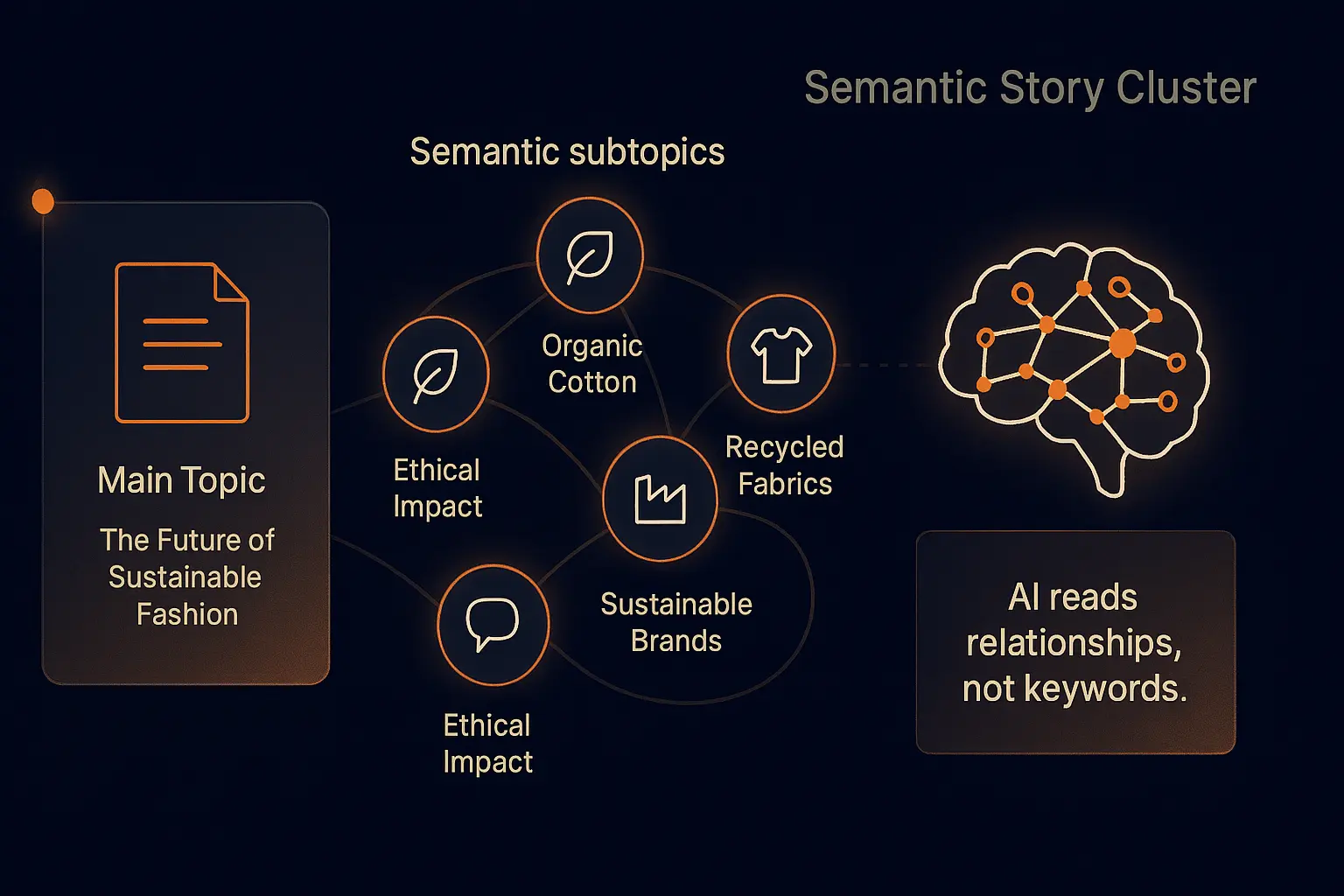
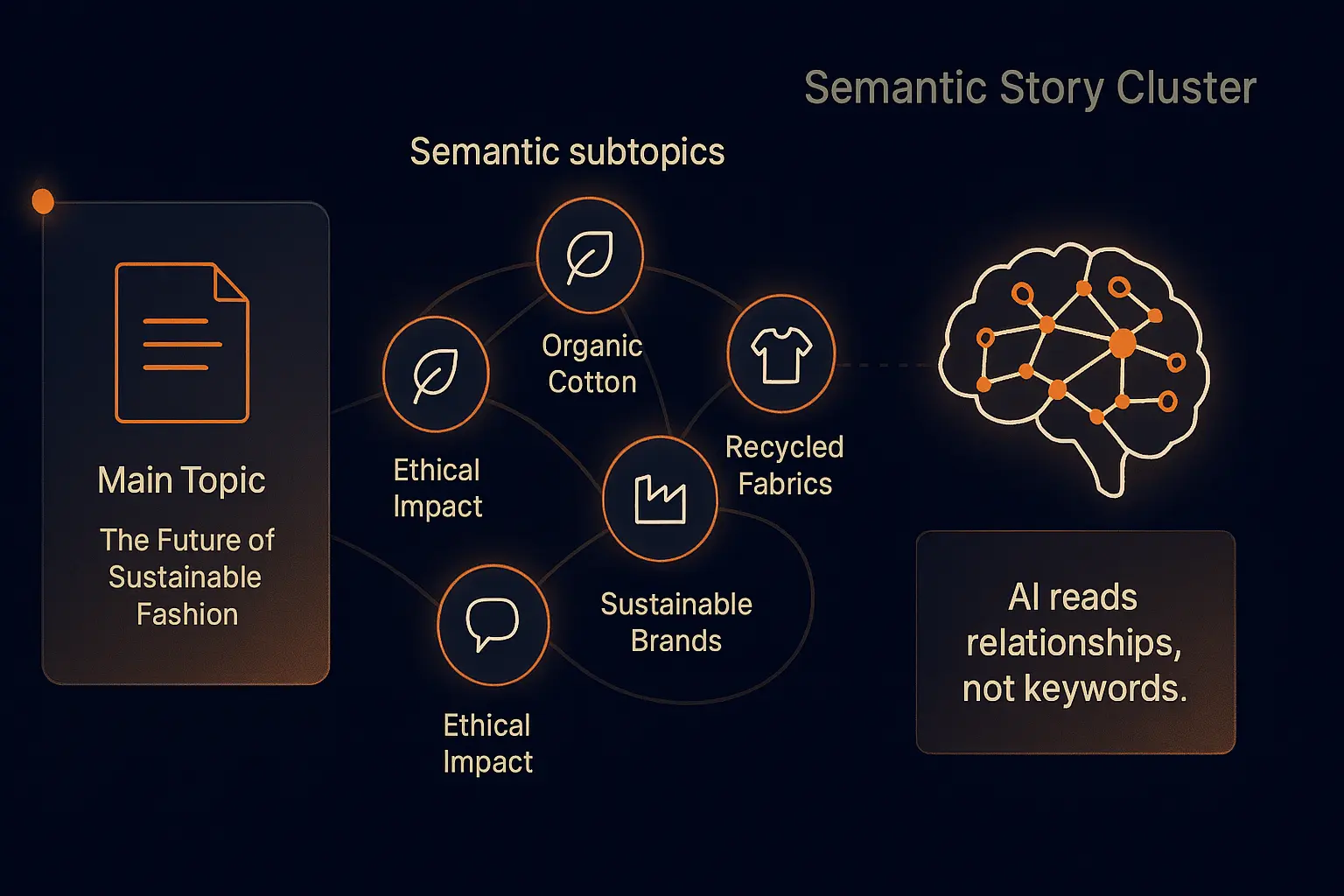
1. Create Semantic Content Clusters That Tell a Story
Why it matters: AI crawlers don't just scan keywords; they are looking for content that builds a meaningful narrative around a topic.
How to do it:
- Identify a main theme or pillar topic. Example: "Sustainable Fashion."
- Write a comprehensive, authoritative pillar page on this main theme.
- Surround it with 5-10 related articles covering subtopics (materials, brands, impact, frequently asked questions).
- Link these pages naturally: not just with keywords, but with descriptive anchor text.
- Using thesaurus tools or NLP tools, such as Clearscope or SurferSEO, find synonyms and related terms to weave in naturally.
Formula:
Pillar Page + Related Subtopics + Natural Internal Linking + Semantic Keywords = Semantic Content Cluster
Example:
- Pillar: "The Future of Sustainable Fashion"
- Subtopics: "Organic Cotton Benefits," "How Recycled Fabrics Are Made," "Best Sustainable Brands 2025," etc.
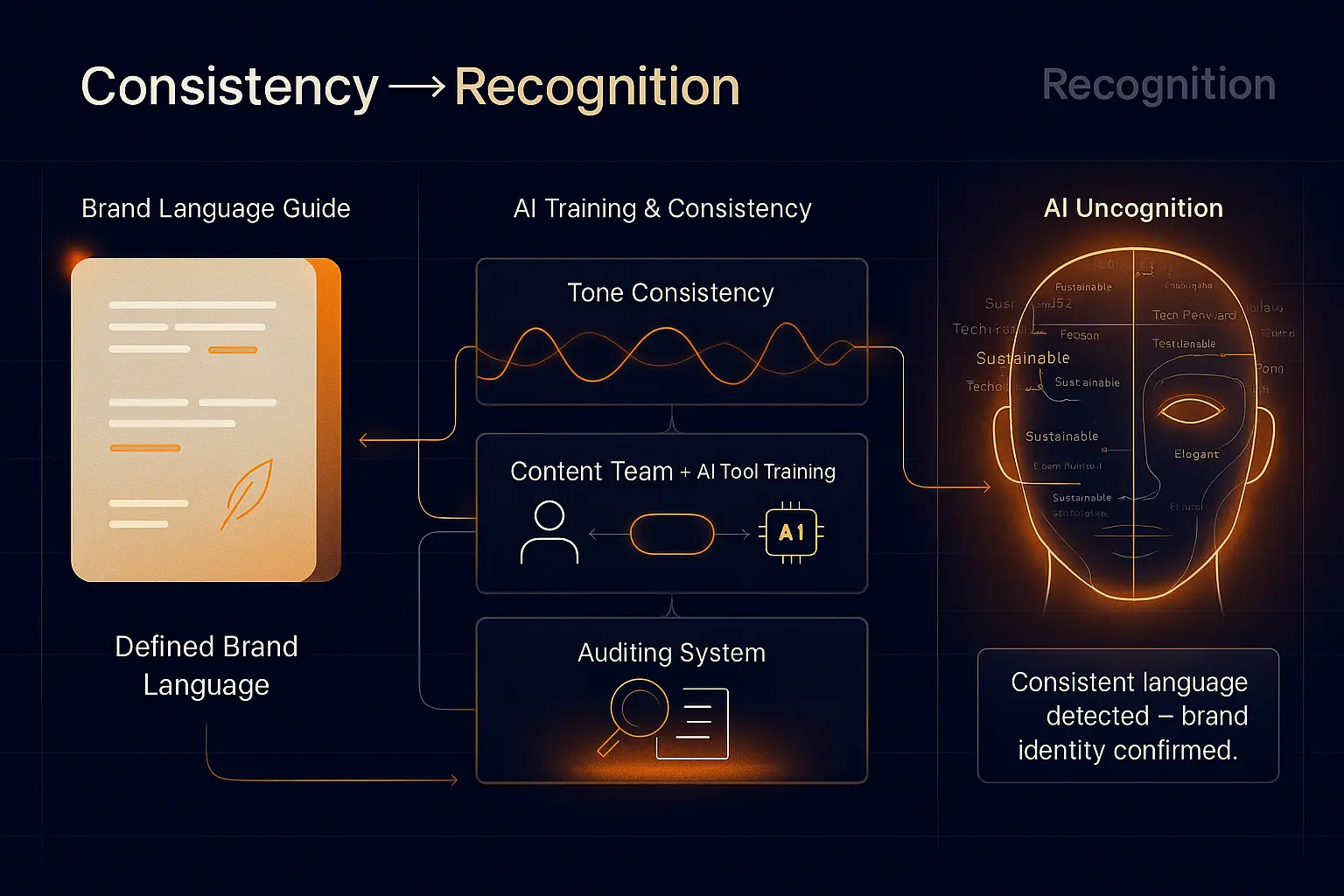
2. Create Consistent Brand Language That AI Can Recognize
Why it matters: AI crawlers want to see a clear, repetitive identity in how you talk about your brand.
How to do it:
- Prepare a basic brand language document stating key phrases, terms, and tone style.
- Use tools like Grammarly or Hemingway to keep tone consistent.
- Train your content team and AI tools with this guide.
- Run recurring content audits to catch language drift.
- Automate tagging of your brand and key terms using NER (Named Entity Recognition) tools like spaCy.
Formula:
Brand Language Guide + Training + Regular Audits + NER Tagging = Recognizable Brand Voice
Tip! Take care that terms describing your brand, products, and values show up throughout all content, from blogs to social posts and product pages.
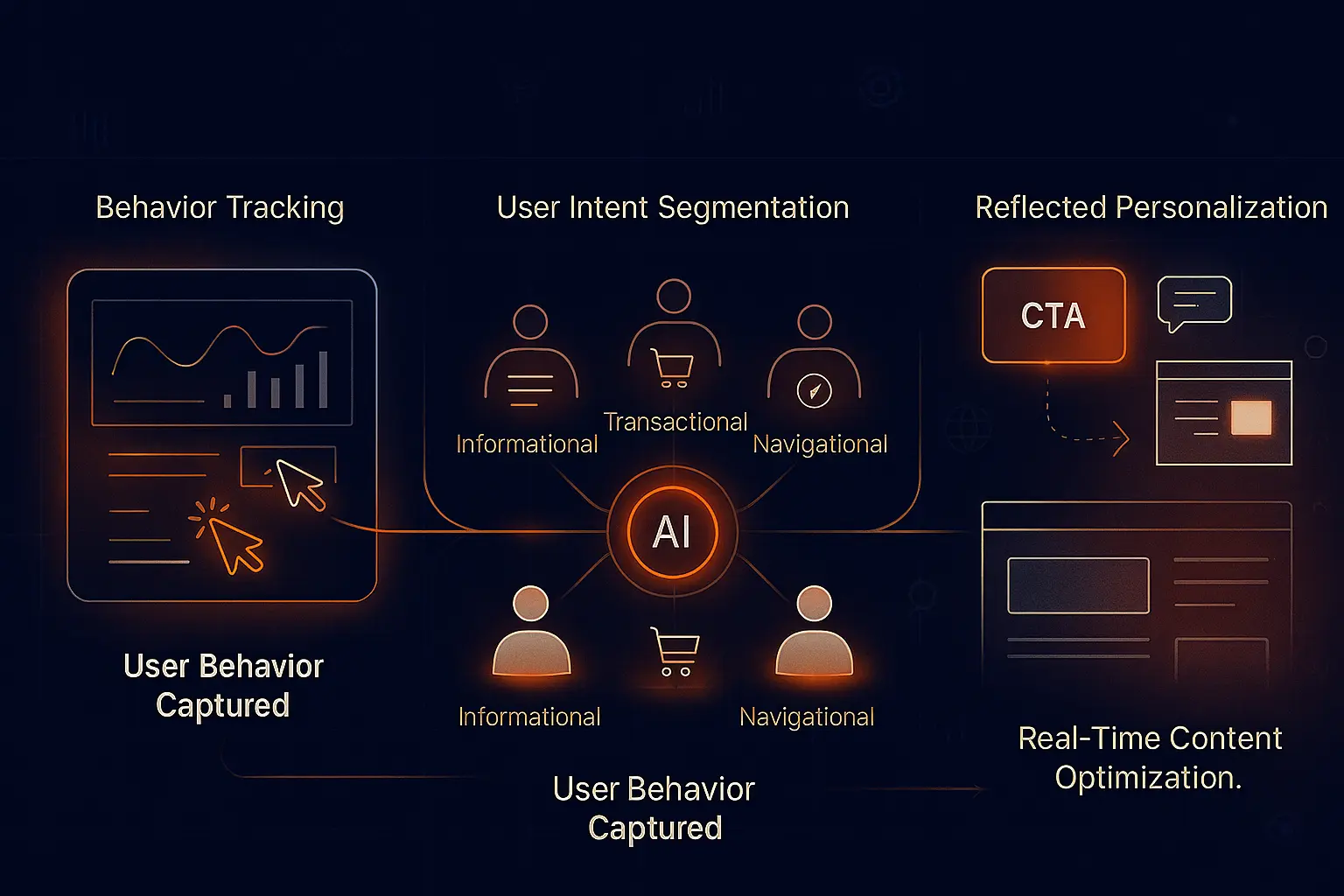
3. Behavioral Signals in Interpreting and Reflecting User Intent
Why it matters: AI doesn't just read your words; it watches how people interact with them.
How to do it:
- Set up analytics that track click patterns, bounce rates, time on page.
- Use heatmaps to see where users are focusing (Hotjar and Crazy Egg).
- Segment users into informational, transactional, and navigational intent and offer appropriate content.
- Test multiple calls to action and content layouts based on real user behavior.
- Use feedback forms and conversational chatbots to get direct intent clues.
Formula:
Behavior Tracking + Intent Segmentation + Content Personalization + Feedback Loops = User Intent Alignment
Example: If most of your visitors read FAQs after the main blog, create shortcut links or expand the content of FAQs for easy access.

Want to see how AI talks about your brand?
Join 200+ companies tracking their AI visibility. Get started in 2 minutes.
Start Free Trial4. Create Knowledge Graphs and Ontologies to Display Expertise
Why it's important: Structured data that shows the connections between your topics and products is highly attractive to AI crawlers.
How to accomplish it:
- Create a basic ontology by listing your main entities (categories, services, and products) and outlining their connections.
- To organize this data for AI crawlers, use schema.org markup on your pages.
- Use tools like Neo4j or Google's Knowledge Graph API to create or connect to knowledge graphs.
- As you introduce new products or add content, keep your graphs updated with the new relationships.
Formula:
Entity Mapping + Schema Markup + Knowledge Graph Integration = Structured Semantic Network
For instance:
- Material B → "made from" → Product A
- Product A → "part of" → Collection C

5. Audit, Simulate, and Optimize Your Context Architecture
Why it's important: Building a context architecture is not a one-time task. Regular audits and AI simulation testing help you detect gaps and refine your semantic clusters.
How to accomplish it:
- Run quarterly audits to detect semantic gaps, weak links, and entity misses.
- Use AI playground tools to simulate how AI models interpret your content.
- Conduct context fit reviews to ensure your content aligns with user queries.
- Update your ontology and content graph based on findings.
- Track performance metrics over time to measure improvement.
Formula:
Audit → Simulate → Update → Track = Optimized Content Graph

Wrapping It Up
Switching from keywords to context is a complete mentality change, not just a fad. You can build a context architecture that AI crawlers will love by:
- Creating semantic clusters
- Maintaining a sharp brand language
- Aligning with user intent
- Logically structuring knowledge
- Regularly auditing your content
In the age of the intelligent web, this strategy not only increases rankings but also fosters more meaningful interactions and builds brand authority.

Gilles Praet
Co-founder
Gilles is the Co-founder of Visiblie, helping brands optimize their visibility across AI platforms.